
 Save
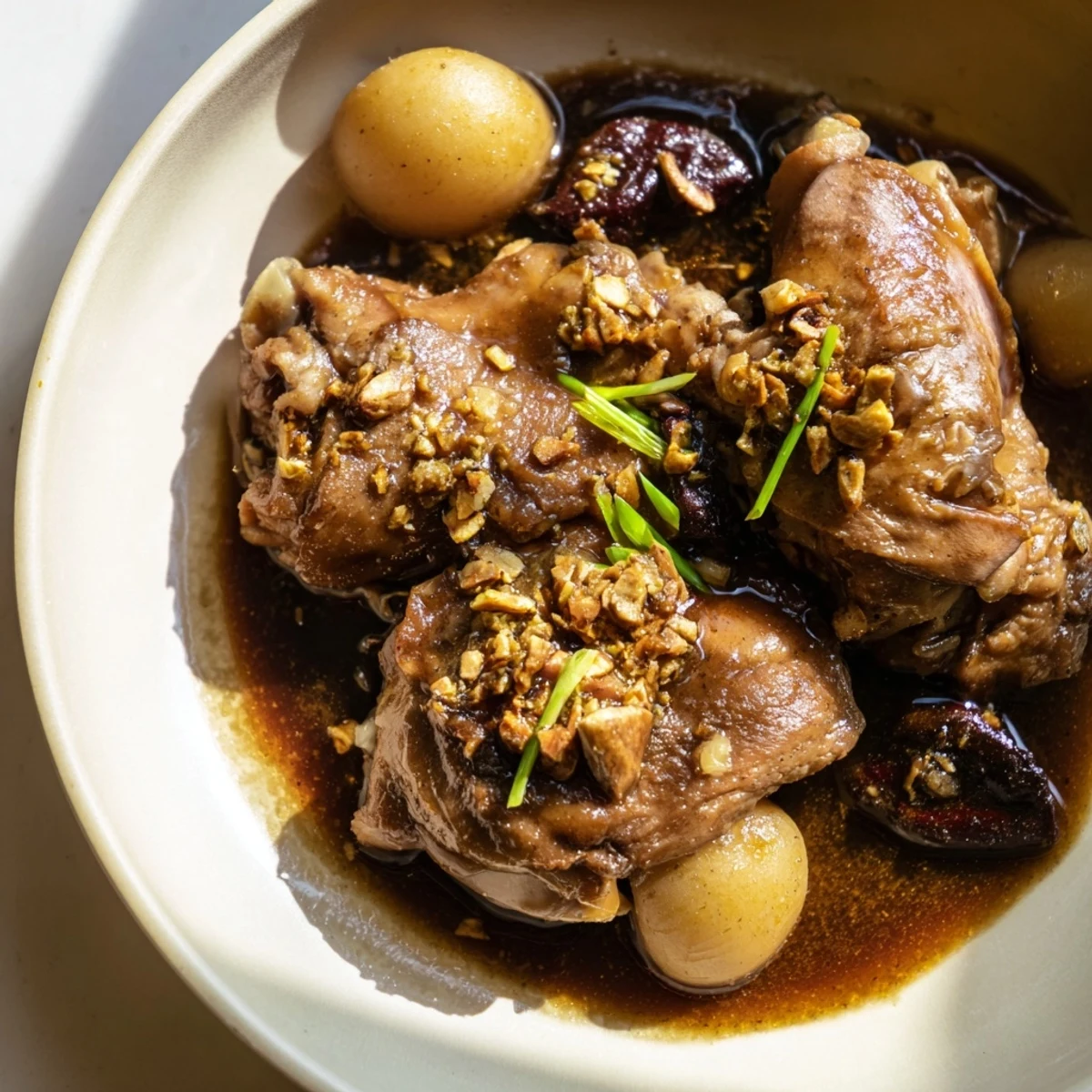
Save This beloved Filipino classic transforms chicken into melt-in-your-mouth comfort food through slow braising in a signature sauce. The tangy vinegar balances rich soy sauce, while crushed garlic and aromatic bay leaves infuse every bite with deep flavor. Brown sugar adds a subtle sweetness that rounds out the savory profile. After searing for golden color, the chicken simmers until fork-tender, then the sauce reduces into a luscious glaze. Serve over fluffy jasmine rice for the perfect pairing, letting each piece soak up that incredible sauce. Optional potatoes make it even more hearty, while a garnish of crispy fried garlic or fresh scallions adds the finishing touch.
The first time my Filipino roommate made adobo in our tiny college apartment, I was skeptical about boiling meat in straight vinegar and soy sauce. Then that smell hit our hallway, tangy and rich and somehow comforting all at once. Now it is the one dish that can pull me out of any cooking rut, mostly because it is nearly impossible to mess up and tastes like someone spent hours on it.
I once served this to a friend who swore she hated vinegar in savory dishes. She went back for thirds and asked for the recipe before she even finished her plate. The key is letting the sauce reduce until it clings to the chicken in that glossy, finger-licking way that makes rice completely unnecessary but still welcome.
Ingredients
- 1.2 kg bone-in, skin-on chicken thighs and drumsticks: Bone-in pieces stay juicier during braising and give you that velvety mouthfat that makes adobo sing
- 1/2 cup soy sauce: Use a good brand, it is literally half the flavor profile so do not cheap out here
- 1/2 cup cane vinegar or white vinegar: Cane vinegar has a milder sweetness but white vinegar works perfectly fine
- 6 cloves garlic, peeled and crushed: More is better here, the garlic mellows into something sweet and savory
- 2 bay leaves: Do not skip these, they add that distinct earthy backbone you cannot quite place
- 1 tsp whole black peppercorns: Freshly cracked if you can, but whole works just fine in the braising liquid
- 1 tbsp brown sugar: The secret weapon that balances all that vinegar and makes people ask what you added
- 1/2 cup water: Just enough to keep things from getting too salty as it reduces down
- 2 tbsp vegetable oil: For getting that gorgeous brown on the chicken before the braise
- 1 medium onion, sliced: Optional but adds another layer of sweetness that rounds everything out
- 2 medium potatoes, peeled and quartered: They soak up all that sauce and become the best part of the bowl
Instructions
- Marinate the chicken:
- Combine everything except the oil, onion, potatoes, and water in a large bowl, making sure each piece of chicken gets cozy with the marinade. Thirty minutes works but overnight in the fridge transforms the dish completely.
- Sear the chicken:
- Pat those marinated pieces dry and brown them skin side down in hot oil until golden. This step is not just for looks, it builds flavor in the fat and gives you better texture.
- Build the braise:
- Toss in your onions if you are using them, pour in the reserved marinade plus water, and tuck the potatoes around the chicken. Let everything come up to a gentle bubble.
- Let it simmer:
- Cover the pot, turn the heat down low, and walk away for about 25 minutes. Let the vinegar and soy sauce do their thing, transforming into something that tastes like it took all day.
- Reduce and serve:
- Uncover and let the sauce bubble down until it coats the back of a spoon. Taste it, add more soy or vinegar if needed, then serve over rice while everyone is already hovering around the stove.
 Save
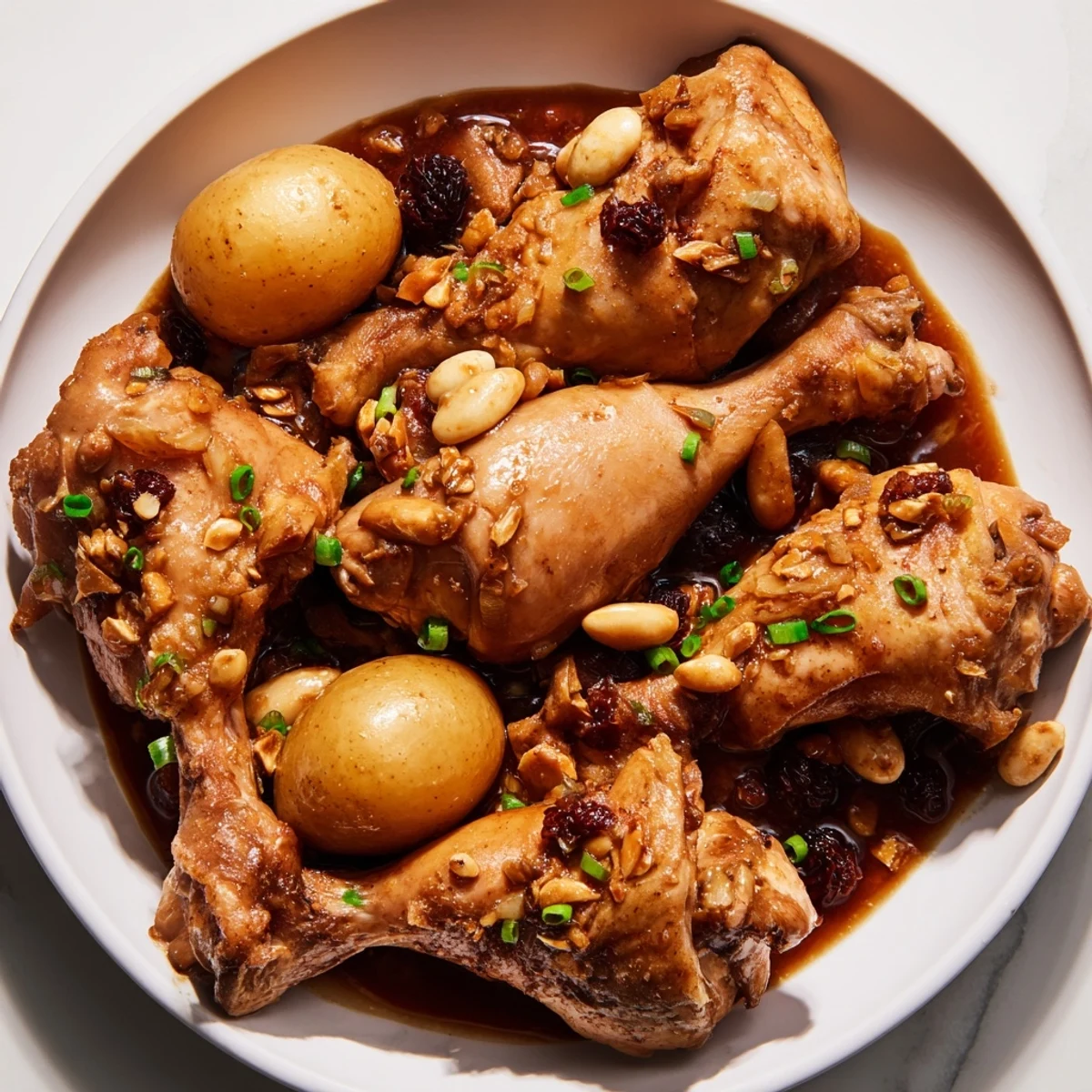
Save This is the dish I make when I have people over and want to feel like a magician. Everyone assumes it requires some secret technique or hours of attention, but really it is just vinegar and soy sauce doing the heavy lifting while I sip wine in the other room.
The Coconut Variation
Adding coconut milk at the end turns this into adobo sa gata, a creamy variation that my friend’s grandmother makes for special occasions. The richness cuts through the tang and creates this velvety sauce you will want to eat with a spoon.
Pork or Both
Pork belly or shoulder works beautifully here, and half chicken half pork might be the traditional way many Filipino families make it. The pork renders its fat into the sauce, which makes everything taste like someone knew exactly what they were doing.
Making It Your Own
Some days I add more vinegar because I want that extra tang. Some days I go heavy on the soy because that is just the mood I am in. This recipe is incredibly forgiving once you understand the basic ratio.
- Fried garlic on top is not optional if you want the full experience
- Leftovers should be eaten cold straight from the fridge
- A splash of coconut milk at the end changes everything
 Save
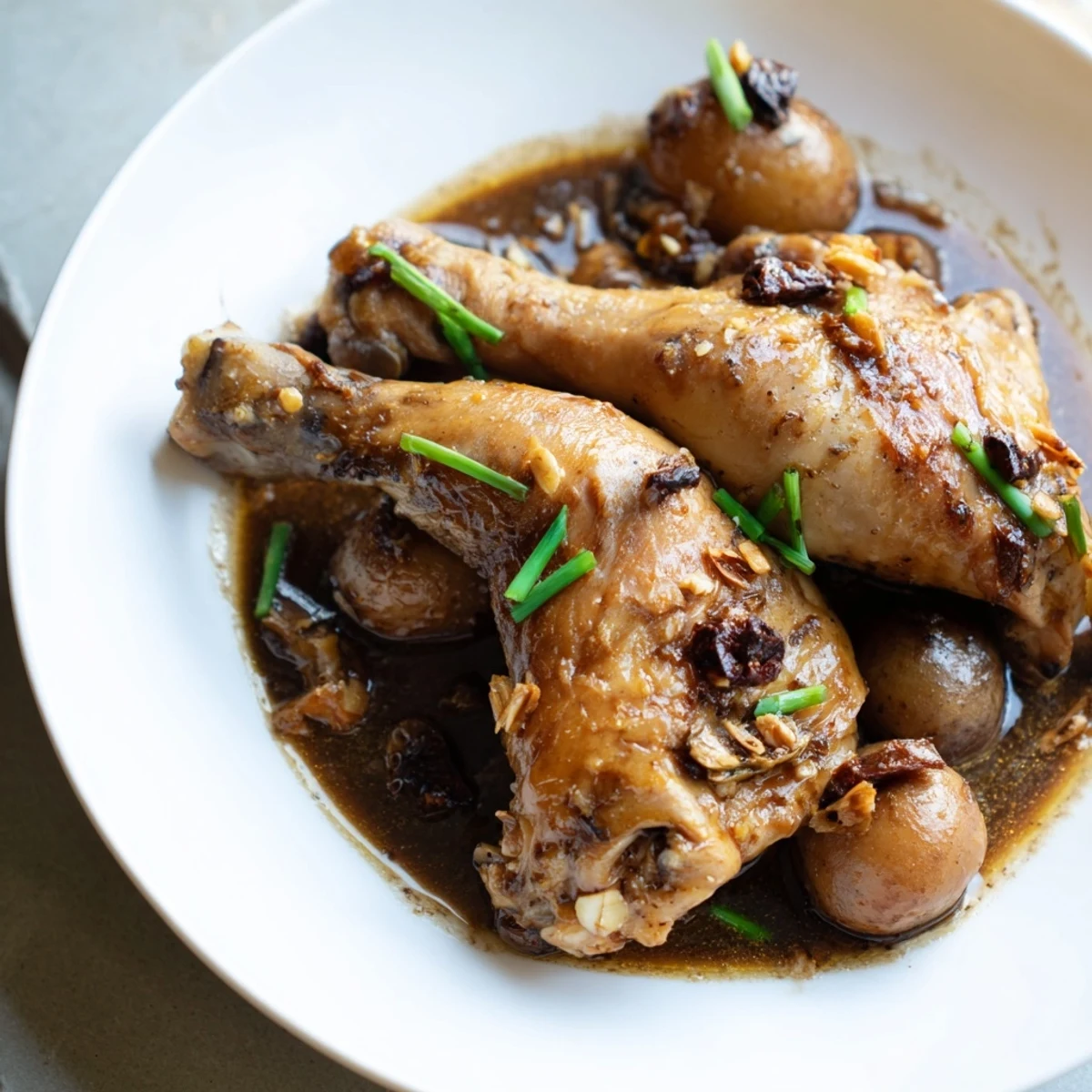
Save Serve this over steaming jasmine rice and watch how quickly it disappears. Some things are classics for a reason.
Frequently Asked Recipe Questions
- → What makes Filipino adobo different from other marinades?
-
The magic lies in the equal parts soy sauce and vinegar combination, which creates that distinctive tangy-savory flavor profile. Unlike marinades that are discarded, this sauce becomes the cooking liquid, concentrating its flavors as the chicken braises. The vinegar tenderizes the meat while adding brightness, and garlic provides aromatic depth throughout the cooking process.
- → Can I use other meats besides chicken?
-
Absolutely. Pork shoulder or belly works beautifully, creating a richer version. Many families prefer a combination of chicken and pork pieces for varied textures. The cooking time may need slight adjustment depending on the meat cut, but the same delicious method applies to all proteins.
- → How long should I marinate the chicken?
-
Thirty minutes minimum works, but overnight marinating in the refrigerator yields the most flavorful results. The vinegar continues working to tenderize while the soy sauce penetrates deep into the meat. Even a few hours makes a noticeable difference in the final depth of flavor.
- → What type of vinegar works best?
-
Cane vinegar is traditional and slightly sweeter, but white vinegar creates a sharper tang. Apple cider vinegar adds fruity notes while rice vinegar offers milder acidity. Each variation produces delicious results, so use what you have available or adjust to your preference for tartness.
- → Why do you brown the chicken first?
-
Browning creates caramelization on the skin, adding depth and visual appeal to the final dish. Those golden-brown bits also contribute flavor to the sauce as it simmers. While you can skip this step for quicker preparation, taking those few minutes to sear makes a noticeable difference in the overall richness.
- → How do I know when the sauce is properly reduced?
-
The sauce is ready when it coats the back of a spoon and has a glossy, syrup-like consistency. You want it thick enough to cling to the chicken and rice but still pourable. This usually takes about 10-15 minutes of uncovered simmering, but keep an eye on it as reduction speeds up near the end.
- → Can I make this ahead of time?
-
In fact, leftovers often taste better the next day as flavors continue developing. Make a double batch and refrigerate for up to four days. Reheat gently on the stove, adding a splash of water if the sauce has thickened too much. The texture remains perfect and the flavors become even more harmonious.