
 Save
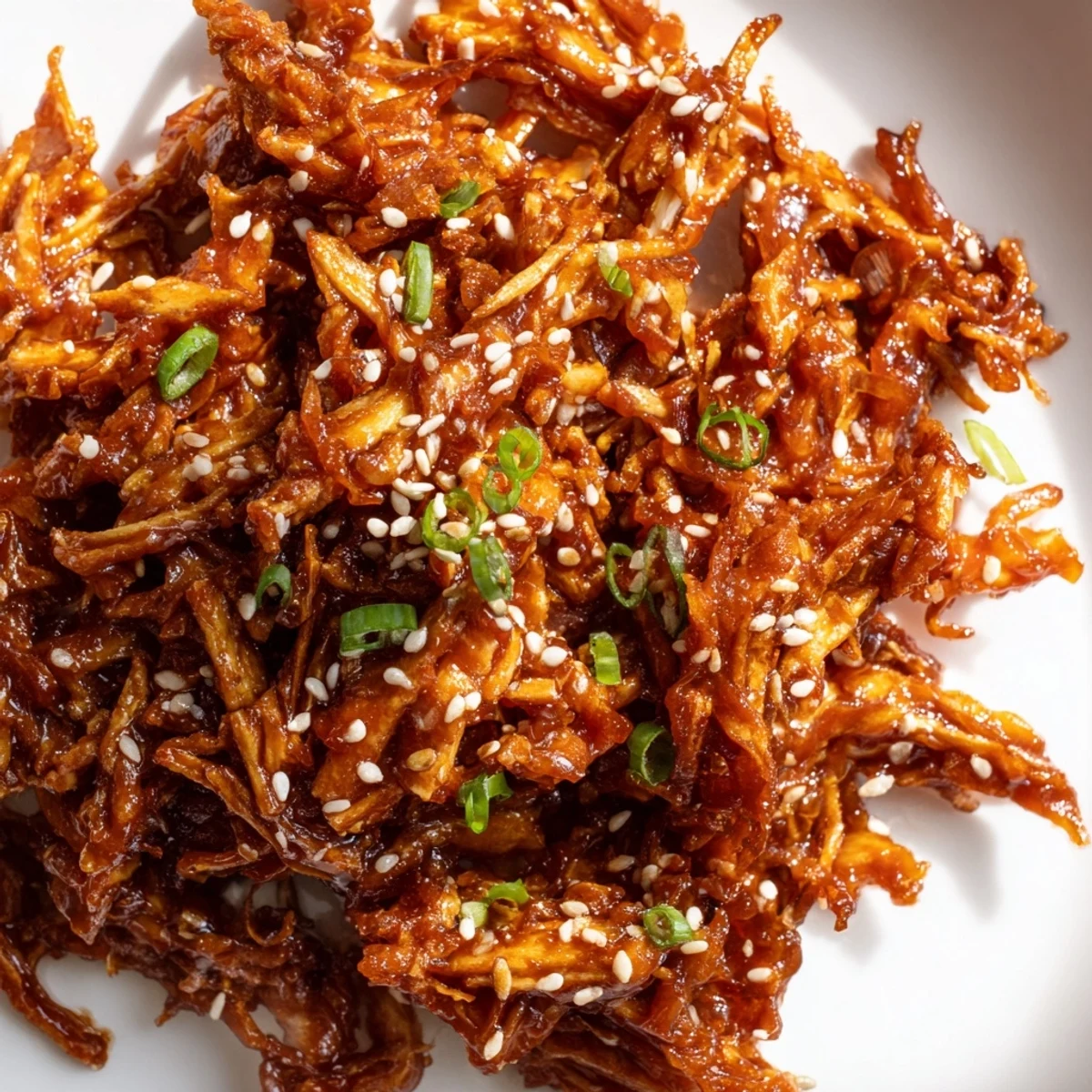
Save Extra-firm tofu gets shredded and coated in cornstarch, then baked until golden and crispy. While it crisps up, a rich bulgogi sauce comes together with soy sauce, brown sugar, mirin, sesame oil, garlic, ginger, and a kick of gochujang. The crispy tofu gets tossed straight into that sauce, then piled over bowls of warm short-grain rice alongside julienned carrot, sliced cucumber, sautéed spinach, and optional kimchi. Ready in 40 minutes and completely vegan, this bowl delivers deep Korean-inspired flavors with a satisfying crunch in every bite.
My roommate in college used to joke that tofu was punishment food until I set a plate of this bulgogi bowl in front of her. She went quiet for about thirty seconds, then looked up and said okay fine I get it now.
I started making these bowls on weeknights when the craving for takeout hit but my wallet said absolutely not. Eventually my friends started showing up unannounced around seven pm with their own rice cookers.
Ingredients
- Extra-firm tofu: Pressing it properly is the difference between sad spongy bits and shreds that actually crisp up and hold their shape through the sauce
- Cornstarch: This thin coating is what creates that satisfying crackle when you bite in so do not skip it or try flour instead
- Soy sauce: The backbone of the bulgogi flavor use tamari if gluten is a concern since the depth it provides is irreplaceable
- Brown sugar: Balances the salty soy and brings that characteristic Korean barbecue sweetness you recognize instantly
- Mirin: Adds a gentle acidity and shine that rice vinegar can approximate but never quite replicate perfectly
- Sesame oil: A little goes a long way here and it ties the whole sauce together with that nutty warmth
- Gochujang: Optional but even a small spoonful shifts the bowl from good to something you will crave weekly
- Garlic and ginger: Fresh is non negotiable for this recipe since the paste versions taste flat and hollow by comparison
- Cooked short-grain white rice: The sticky texture is what makes each bite cohesive so brown rice works but changes the mouthfeel
- Carrot and cucumber: These crunchy contrasts are what keep every forkful interesting instead of one-note soft
- Sautéed spinach: A quick blanch with sesame oil turns boring greens into something you actually look forward to
- Kimchi: The fermented punch cuts through the sweetness of the sauce and wakes up the whole bowl
Instructions
- Shred and coat the tofu:
- Use your hands or a fork to pull the pressed tofu into uneven bite-sized pieces then toss them in cornstarch until every strand has a dusty coat.
- Crisp it up:
- Spread the coated shreds on a parchment-lined tray drizzle with oil and bake at 220°C for 25 to 30 minutes tossing halfway until deeply golden and audibly crispy.
- Whisk together the bulgogi sauce:
- Combine soy sauce brown sugar mirin sesame oil minced garlic grated ginger gochujang sesame seeds and chopped green onion in a bowl until the sugar dissolves completely.
- Prep the veggies:
- Blanch the spinach quickly then season with salt and a few drops of sesame oil while julienning the carrot and slicing the cucumber into thin ribbons.
- Toss and assemble:
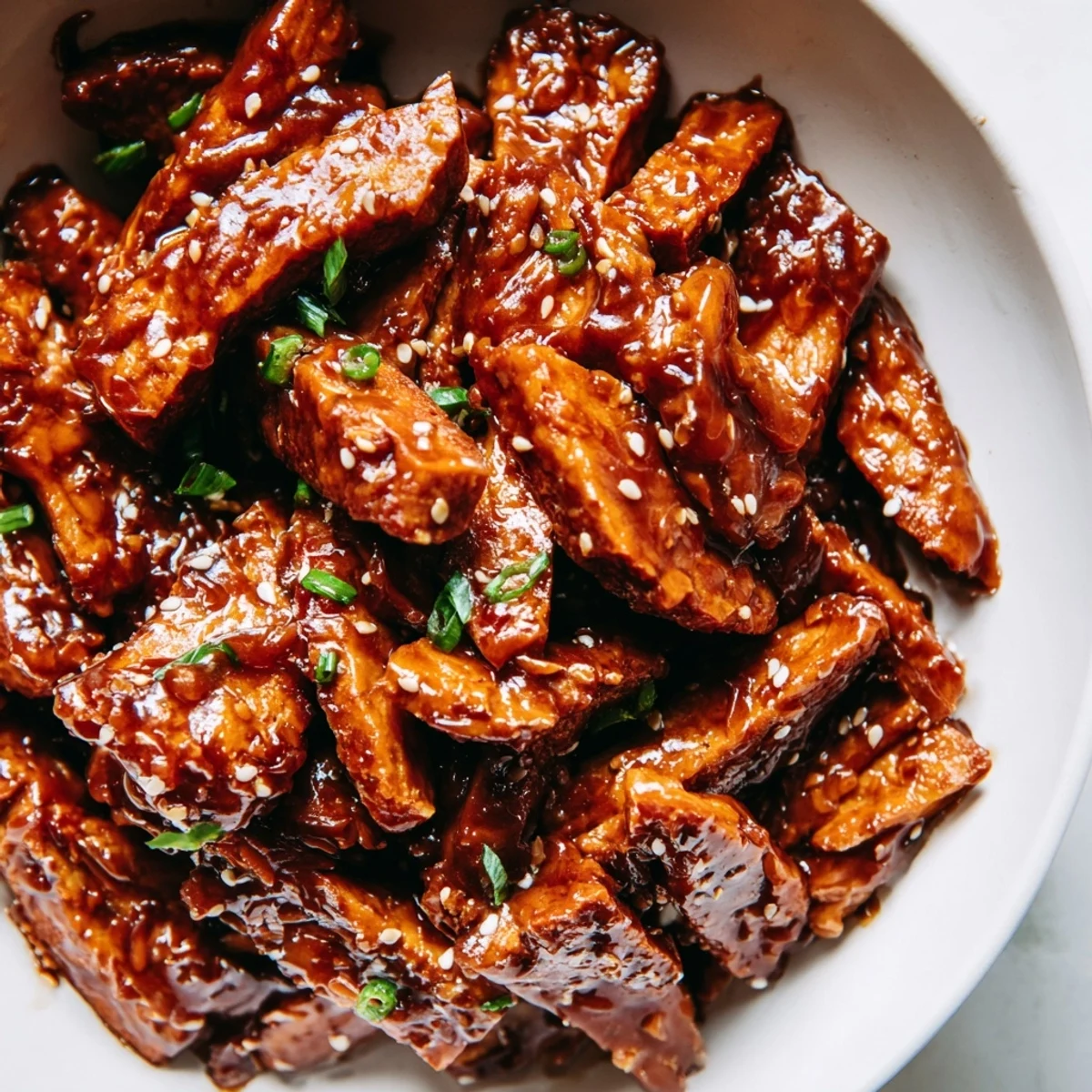
- Pull the crispy tofu from the oven and immediately fold it into the sauce then arrange over warm rice with all the veggies kimchi and garnishes.
 Save
Save There was a rainy Tuesday last fall when I made four of these bowls and we ate them cross-legged on the living room floor watching some drama none of us could follow. Nobody said a word for twenty minutes and that felt like the highest compliment food can get.
Getting the Tofu Texture Right
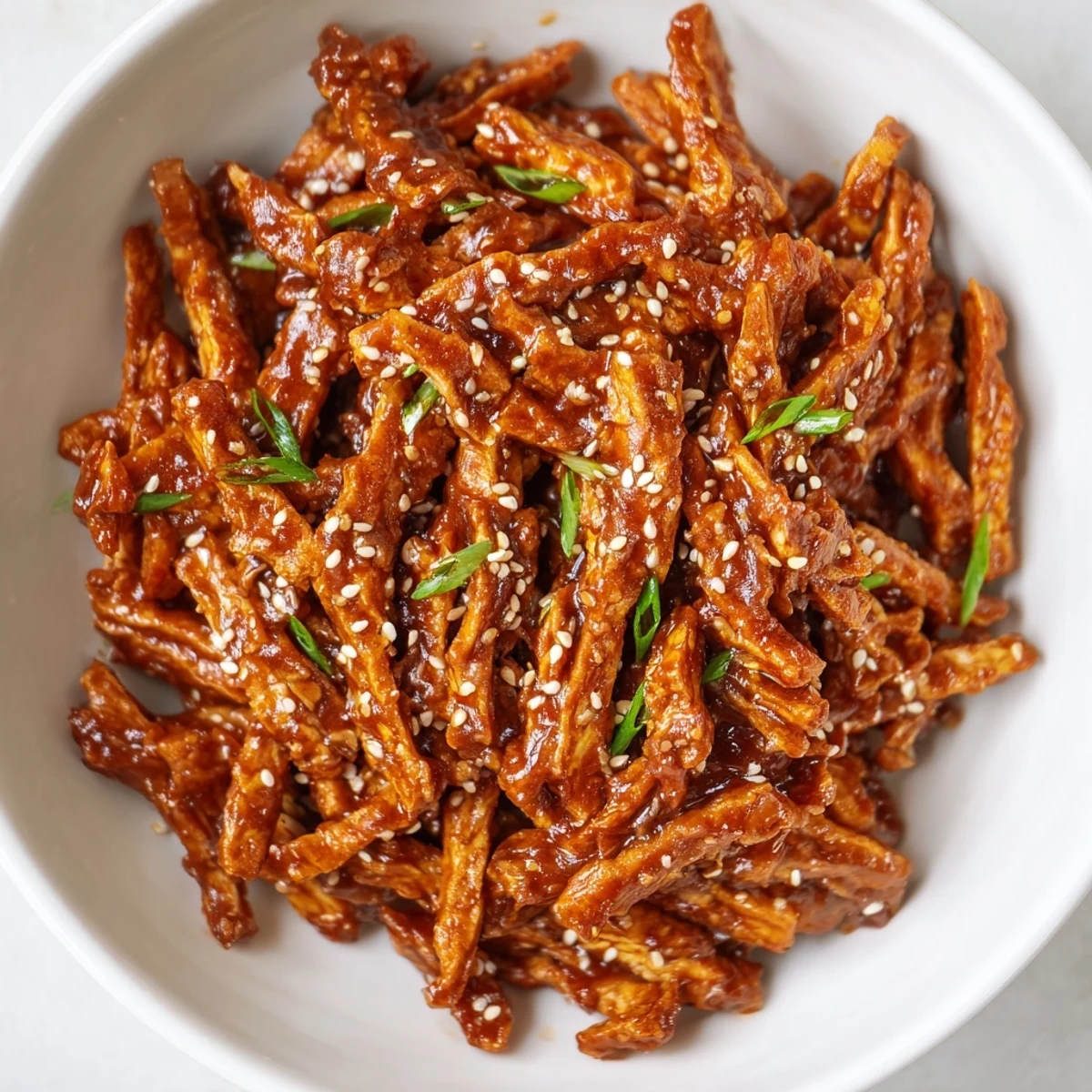
Shredding tofu instead of cubing it completely changes how it absorbs the sauce and how it feels in your mouth. The irregular strands catch sauce in their nooks and develop crispy edges in places you cannot predict which makes every bite slightly different and way more interesting.
Building a Bowl That Looks as Good as It Tastes
I used to just dump everything in a bowl and call it done but arranging the components in sections the way Korean restaurants do makes the experience feel intentional. The visual contrast of bright orange carrot pale cucumber green spinach and deep red sauce actually changes how you perceive the flavors before you even take a bite.
Making It Your Own
Once you have the base technique down this bowl becomes a canvas for whatever you have in the fridge. Sautéed mushrooms add an earthy depth avocado brings creaminess and bean sprouts contribute a fresh crunch that fills things out beautifully.
- Try cauliflower rice if you want something lighter but still want the bowl experience
- A fried egg on top breaks the vegan rule but takes it into completely different territory
- Make extra sauce because you will want to drizzle it over everything
 Save
Save Some meals are just food and others become the thing you make when someone needs comforting without saying it out loud. This bowl has quietly become that recipe for me.
Frequently Asked Recipe Questions
- → How do I get the tofu really crispy?
-
Press the tofu thoroughly to remove excess moisture, shred it into small pieces, and coat evenly with cornstarch. Bake at 220°C on parchment paper and avoid crowding the tray. Toss halfway through for even crisping.
- → Can I pan-fry the tofu instead of baking?
-
Yes. Heat a non-stick skillet with a tablespoon of neutral oil and pan-fry the cornstarch-coated tofu in batches over medium-high heat until golden and crisp on all sides.
- → Is this bowl gluten-free?
-
Swap regular soy sauce for tamari and verify that your gochujang and kimchi are certified gluten-free. Everything else in the bowl is naturally gluten-free.
- → What can I substitute for gochujang?
-
Sriracha works well if you want heat without the fermented depth of gochujang. For a milder option, use a pinch of chili flakes or omit the heat element entirely.
- → Can I make this bowl ahead of time?
-
Prepare the sauce and veggies in advance, but cook and toss the tofu right before serving to maintain its crispiness. Reheated tofu will soften significantly.
- → What rice works best here?
-
Short-grain white rice is traditional and pairs perfectly with the bold bulgogi flavors. Brown rice, quinoa, or cauliflower rice are great alternatives if you want different textures or fewer carbs.