
 Save
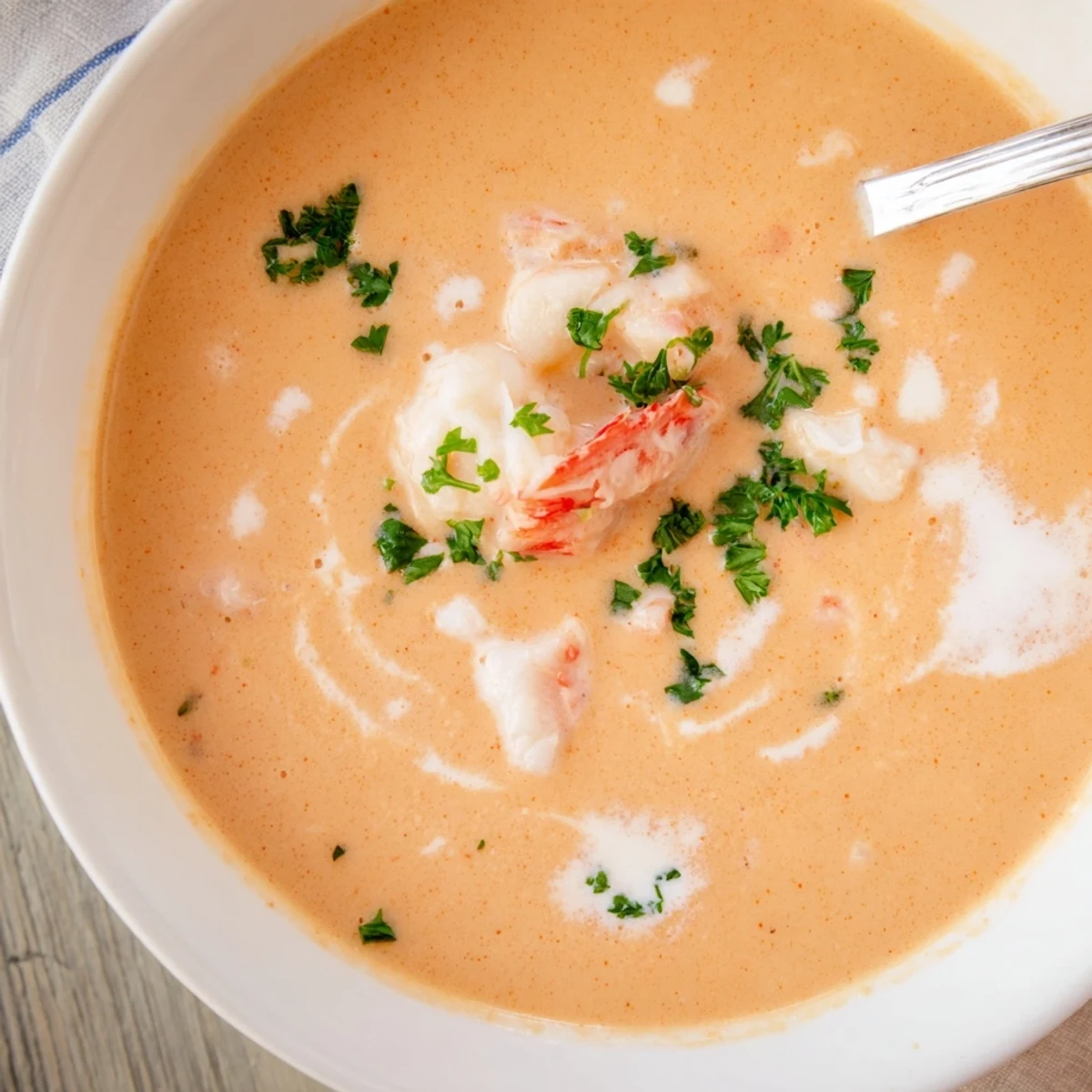
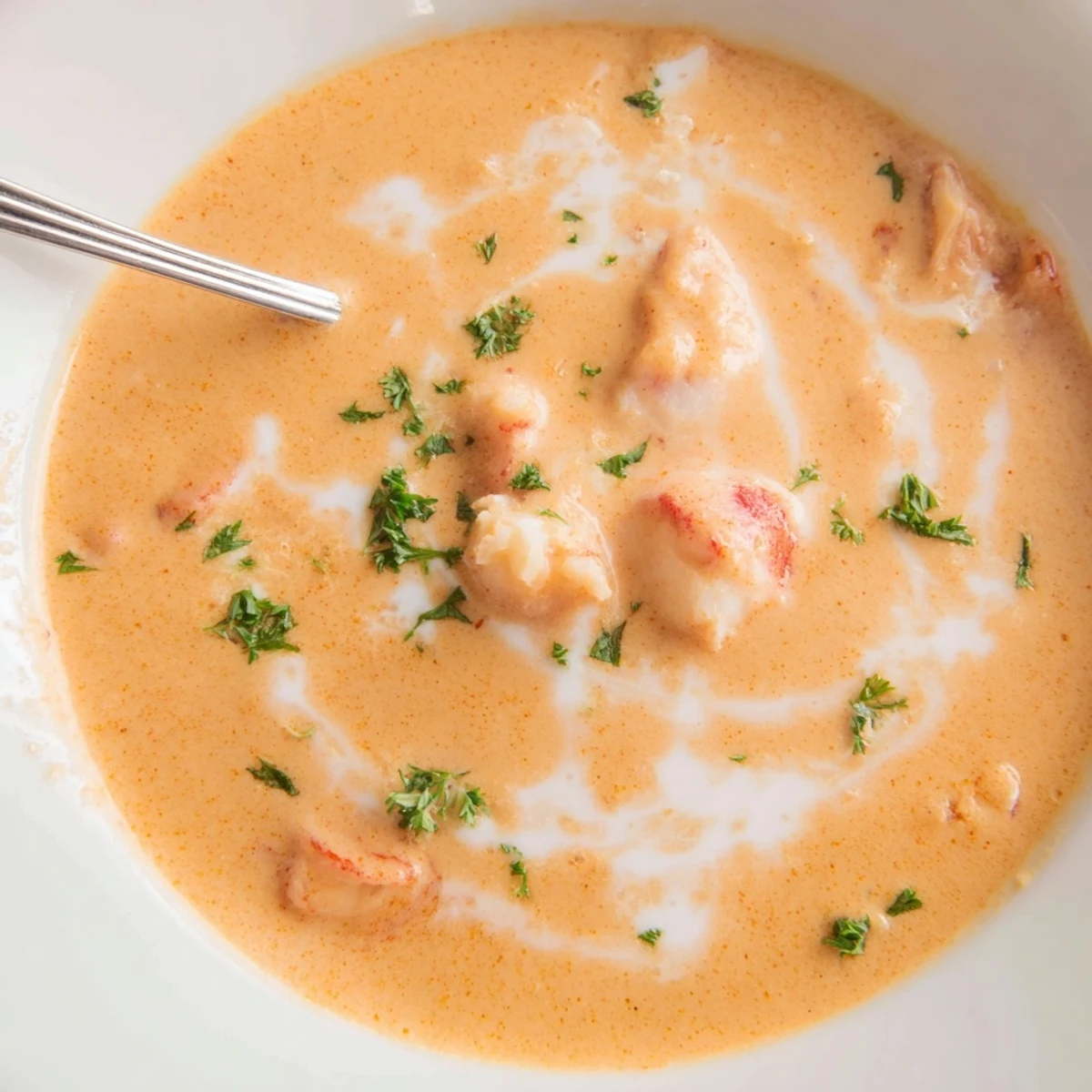
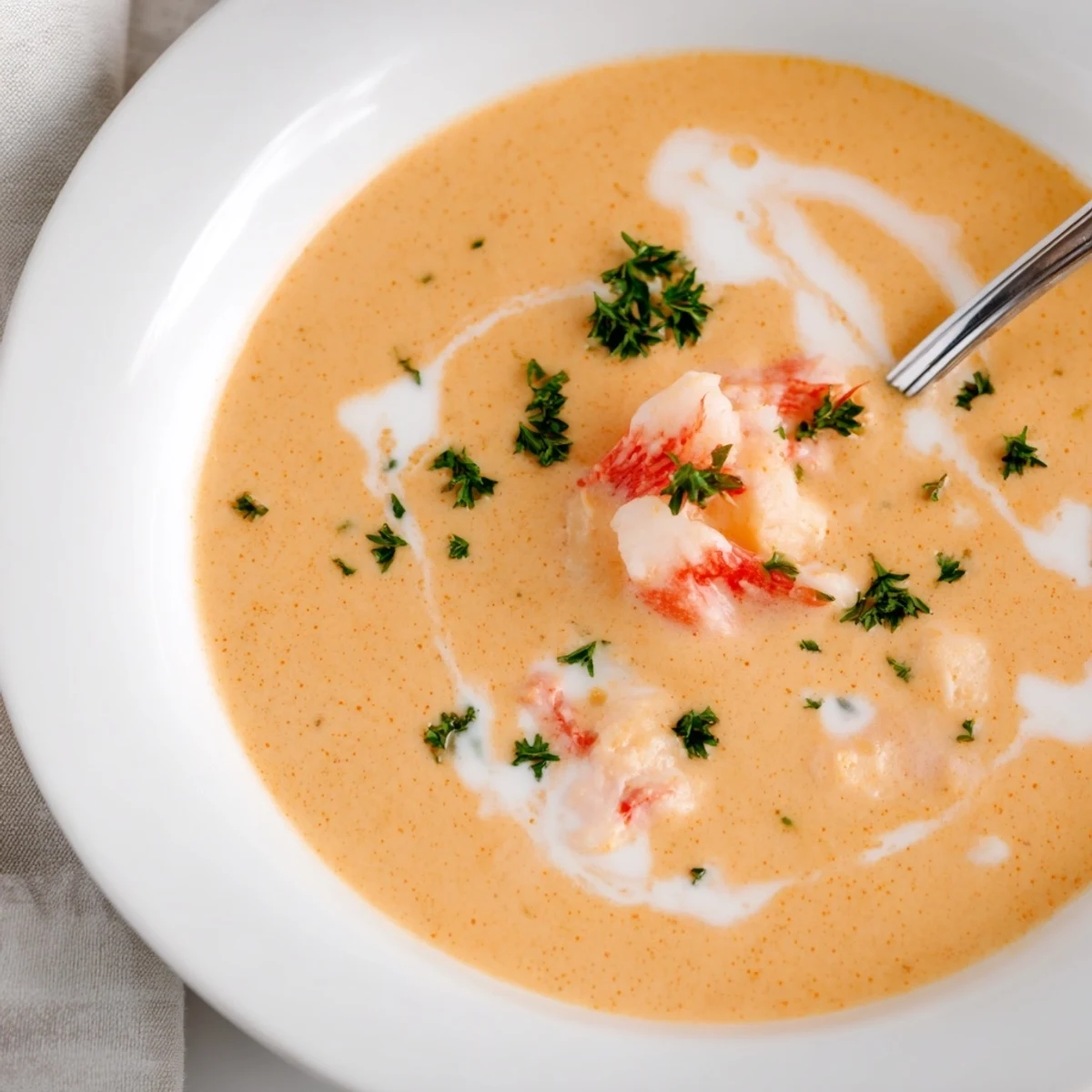
Save This rich, velvety bisque combines lump crab meat and chopped shrimp in a smooth tomato-enhanced base made from sautéed onion, celery, and carrot. Dry sherry adds depth, while heavy cream and whole milk create that signature silky texture. Old Bay seasoning and sweet paprika bring gentle warmth without overwhelming the delicate seafood. Ready in about an hour, it's an elegant yet approachable dish that works as both a first course and a satisfying main. Serve with crusty bread and a crisp white wine for the full experience.
There was a February night a few years back when a friend showed up at my door with a paper bag full of lump crab and shrimp she had scored at the docks that morning. I had no plan, but the smell of those shells convinced me to attempt a bisque I had been too intimidated to try before.
I served that first batch in mismatched mugs because my good bowls were still in a box from moving. Nobody cared about the presentation because the flavor was so rich and warm that we stood around the kitchen island eating in near silence.
Ingredients
- Lump crab meat (225 g): Pick through it carefully for shells because finding one in a smooth bisque ruins the whole experience
- Large shrimp (225 g): Chopping them small lets them cook evenly and distribute throughout every spoonful
- Unsalted butter and olive oil: The butter carries flavor while the oil prevents burning, a dual fat approach I learned from a chef who called it insurance
- Onion, celery, and carrot: This mirepoix is the quiet foundation and cutting it very fine ensures the blender smooths it out completely
- Garlic (2 cloves): Minced small so it melts into the base without leaving raw pockets
- Dry sherry or white wine: The sherry adds a nutty depth that white wine simply cannot replicate, though both work
- Seafood stock (700 ml): Homemade makes a staggering difference but a good quality store bought one will not let you down
- Heavy cream and whole milk: The combination gives luxurious body without becoming overwhelmingly heavy
- Tomato paste (2 tbsp): This is where the beautiful amber color comes from so do not skip it
- Old Bay seasoning and sweet paprika: Old Bay brings that coastal familiarity while paprika adds a gentle warmth
- Bay leaf: Drop it in early and pull it out before blending because a puréed bay leaf is bitterly unpleasant
- Salt, pepper, and fresh parsley: Season at the very end after the cream goes in because cream dulls salt perception
Instructions
- Build the flavor base:
- Melt the butter with olive oil in a large pot over medium heat, then add the onion, celery, and carrot. Let them soften slowly for about 6 to 8 minutes until they smell sweet and have lost their raw crunch.
- Toast the seasonings:
- Stir in the garlic for a minute, then add the tomato paste, Old Bay, and paprika. Cook this for 2 minutes while stirring constantly until the paste darkens slightly and smells toasty rather than raw.
- Deglaze the pot:
- Pour in the sherry and scrape up every browned bit stuck to the bottom. Let it bubble for a minute or two until the alcohol smell fades.
- Simmer the base:
- Add the seafood stock and bay leaf, bring it to a gentle simmer, then cover and let it cook for 15 minutes so all those flavors meld together.
- Purée until silky:
- Fish out the bay leaf, then use an immersion blender to purée the mixture until it is completely smooth with no visible vegetable pieces.
- Add the cream:
- Stir in the milk and heavy cream and return to a gentle simmer. Watch it closely and never let it come to a full boil or the cream may separate.
- Cook the seafood:
- Add the crab meat and chopped shrimp and simmer gently for 6 to 8 minutes until the shrimp turn pink and opaque throughout.
- Finish and serve:
- Taste and adjust with salt and pepper, then ladle into warm bowls and finish with chopped parsley and a squeeze of lemon if you like.
 Save
Save A neighbor who happened to stop by during that first attempt asked for the recipe before she even finished her bowl. She later told me it became her anniversary tradition, which still floors me because I made it up on the spot.
Choosing Your Seafood
I have learned the hard way that pre packaged lump crab can vary wildly in quality. Look for containers with minimal liquid pooling at the bottom and a clean, briny smell rather than anything fishy. If the shrimp still have their shells on, save them in a bag in the freezer for a future batch of homemade stock.
Getting That Restaurant Smoothness
An immersion blender is your best friend here but if the purée still looks a bit coarse, press it through a fine mesh strainer with the back of a ladle. That extra step takes five minutes and transforms the texture from good to genuinely jaw dropping.
Serving It Right
Warm your bowls in a low oven before ladling because a hot bisque in a cold bowl loses its magic fast. A crusty piece of bread for dipping is not optional in my house.
- Keep lemon wedges on the side so guests can brighten their own portion
- A drizzle of good olive oil on top adds a peppery finish that pairs beautifully with the sweetness of the crab
- Leftovers reheat gently over low heat and actually taste better the next day
 Save
Save This bisque has a way of turning an ordinary weeknight into something that feels like a tiny celebration. I hope it does the same for you.
Frequently Asked Recipe Questions
- → Can I use frozen shrimp instead of fresh?
-
Yes, frozen shrimp works well. Thaw them completely under cold water, pat dry, and chop before adding. Avoid overcooking since frozen shrimp can become rubbery more quickly.
- → What's the best way to achieve a smooth bisque texture?
-
Use an immersion blender directly in the pot after the vegetable and stock base has simmered. Blend until completely smooth before adding the dairy and seafood. A regular blender works too, just blend in batches.
- → Can I make this bisque ahead of time?
-
You can prepare the puréed base up to a day in advance and refrigerate it. When ready to serve, gently reheat, stir in the cream and milk, then add the crab and shrimp to cook through.
- → Is there a lighter alternative to heavy cream?
-
Substitute half-and-half for the heavy cream to reduce fat content. The bisque will be slightly less rich but still creamy. You can also use a splash of evaporated milk for a middle ground.
- → What wine pairs well with this bisque?
-
A crisp white wine like Sauvignon Blanc, Chablis, or a dry Chenin Blanc complements the delicate seafood flavors without competing with the creamy base.
- → Can I substitute the sherry with something else?
-
Dry white wine is a great substitute. Pinot Grigio or a dry Vermouth both work. The sherry adds a nutty depth, but white wine will still provide nice acidity and complexity.